Desert Southwest
Sedona and the desert Southwest: passes, trails, and heat
By Slipstream Stays · October 5, 2026
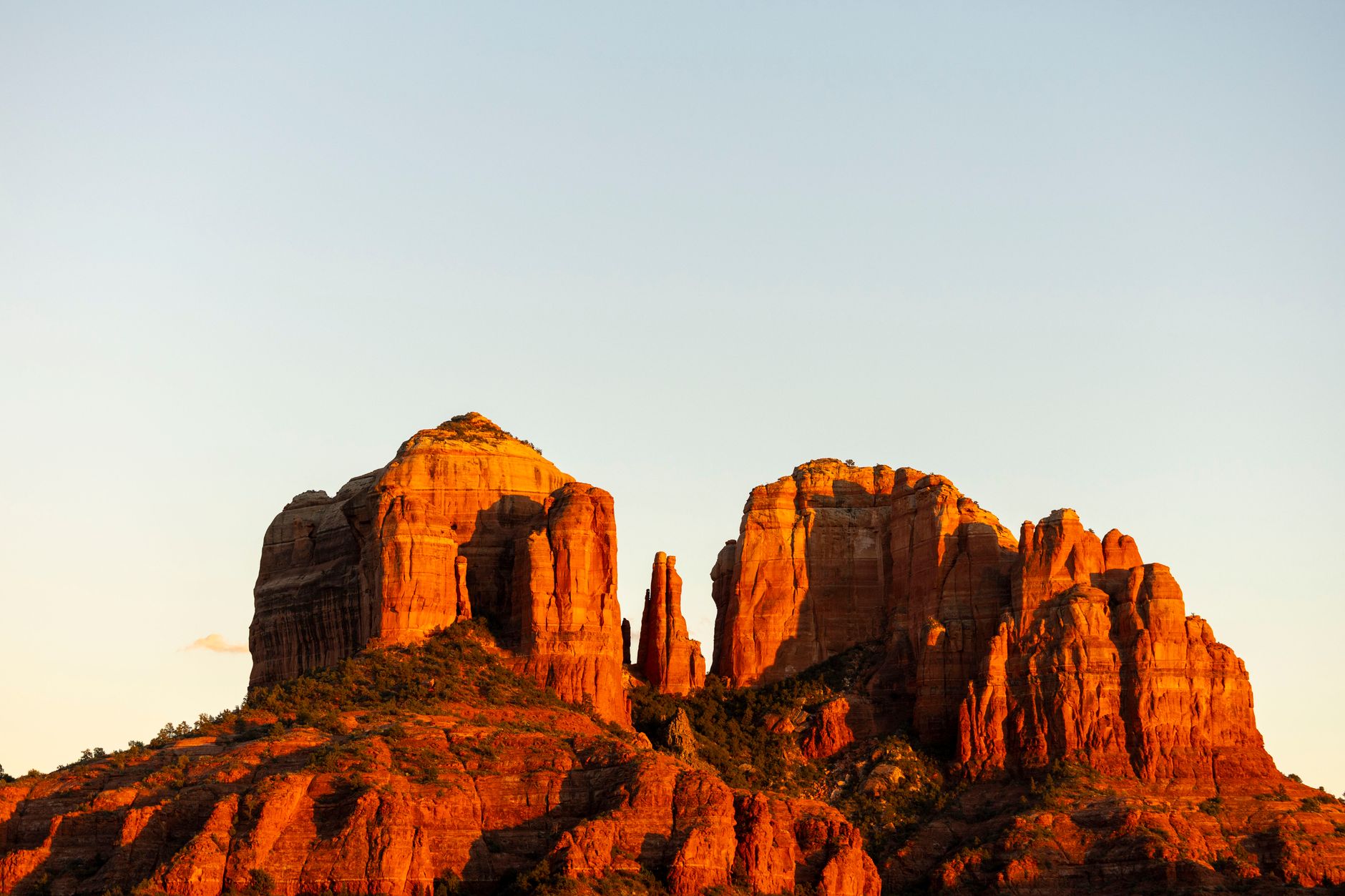
Photo by Stephen Leonardi on Pexels.
Sedona is one of the most visited trail towns in the desert Southwest, and the official planning issue is often not “which rock to photograph.” It is which pass you need, where you may park, and how to stay on a trail in heat and fragile soil. The Coconino National Forest manages many of the famous trailheads around town. Arizona State Parks manage others, including Red Rock State Park and Slide Rock State Park. Those systems do not share one ticket. This guide uses the Forest Service’s Red Rock and Coconino Passes page, last updated June 17, 2026, and keeps to what that page and related official sources actually say.
If you leave your vehicle while recreating at a fee site on the Coconino National Forest, the Forest Service says you must purchase a recreation pass. The Red Rock Pass is daily $5, weekly $15, or annual $20. The passholder must be present, and the pass covers everyone in the vehicle at the Sedona-area forest sites it applies to. It can be used only on Coconino National Forest sites. It is not valid at national parks or at parks managed by the State of Arizona. Red Rock Passes can be bought at site kiosk machines, at the Sedona Chamber of Commerce, and, for daily and weekly versions, at the Red Rock Visitor Center. They can also be purchased through Recreation.gov, in which case your license plate is recorded rather than a printed pass being issued.
An America the Beautiful pass can be used in lieu of a Red Rock Pass at many Sedona-area Coconino National Forest sites, with the cardholder present and coverage for everyone in the vehicle. It does not include entry to the concessionaire-managed fee sites covered by the Coconino Hospitality Annual Pass. That distinction is one of the most common visitor mistakes in the area, and the Forest Service is explicit about it.
The Coconino Hospitality Annual Pass is a separate product. It does not cover sites already covered by the Red Rock or America the Beautiful passes. It applies only at five concessionaire-managed sites, with their own daily fees as of the June 17, 2026, page: Call of the Canyon Picnic Site / West Fork ($15), Crescent Moon Picnic Site ($15), Grasshopper Point Swimming and Picnic Area ($15), Beaver Creek Day Use Picnic Site ($14), and Lower Lake Mary Picnic Area ($12). A weekly Coconino Hospitality pass is listed at $25 and an annual pass at $50, covering up to five people per vehicle. Those annual or weekly hospitality passes cannot be purchased online; they are sold in person at the five sites.
The official site list is worth scanning before you drop a pin in a maps app. Cathedral Rock Trailhead, Bell Rock Pathway / Vista, Boynton Canyon, Courthouse Vista, and many other well-known trailheads are listed as Red Rock Pass or America the Beautiful. Call of the Canyon / West Fork, Crescent Moon, and Grasshopper Point are hospitality-fee sites. Red Rock State Park and Slide Rock State Park require a state park entrance fee, not a Red Rock Pass. If your day includes a swim at Grasshopper Point and a sunset walk at Cathedral Rock, you are in two different fee systems.
The desert part of the trip is as important as the pass. Official land managers and local visitor organizations consistently ask people to stay on marked trails, pack out trash, and respect closures. Soils and cryptobiotic crusts around red-rock trails are easy to damage. Crossing switchbacks, stacking rocks, or leaving marked routes can also create safety problems on steep sandstone. This guide does not invent difficulty ratings or “must-do” hike times for Cathedral Rock or any other trail. Check the current Forest Service or state park trail description, carry more water than you think you need, and treat summer heat as a planning constraint, not an afterthought. Shade is limited, and afternoon thunderstorms can arrive quickly in monsoon season.
Sedona is also a starting point for a wider desert Southwest trip, not a stand-in for the whole region. Other public lands — including national parks, monuments, and forests in Arizona and neighboring states — have their own entrance fees, timed-entry rules, and heat or flash-flood guidance. This article does not list those fees, because they belong on each unit’s official page and they change. If you are adding a national park day to a Sedona stay, read that park’s current passes and reservations information rather than assuming a Red Rock Pass or an America the Beautiful pass covers every stop the same way.
A practical way to organize the week is to decide your trailheads first, then match passes to those trailheads, then plan the hottest hours. Buy or bring the correct pass before you arrive at a crowded kiosk at peak time when you can. Keep the pass or plate information with the vehicle the Forest Service or state park requires. If a site is a hospitality concession, budget for that separate daily fee. If a site is a state park, use the state park fee schedule. If you only need standard forest trailheads, a Red Rock Pass or a qualifying America the Beautiful pass may be enough.
Finally, use official channels for conditions. Forest orders, fire restrictions, parking lots that fill early, and temporary trail closures are published by the Coconino National Forest and, for state parks, by Arizona State Parks. Visitor bureaus can help with town orientation, but they do not replace a pass requirement at a fee trailhead. Sedona’s landscape is famous for a reason. The June 2026 Forest Service fee page is one of the least glamorous documents you will read before the trip, and it is also one of the most useful.